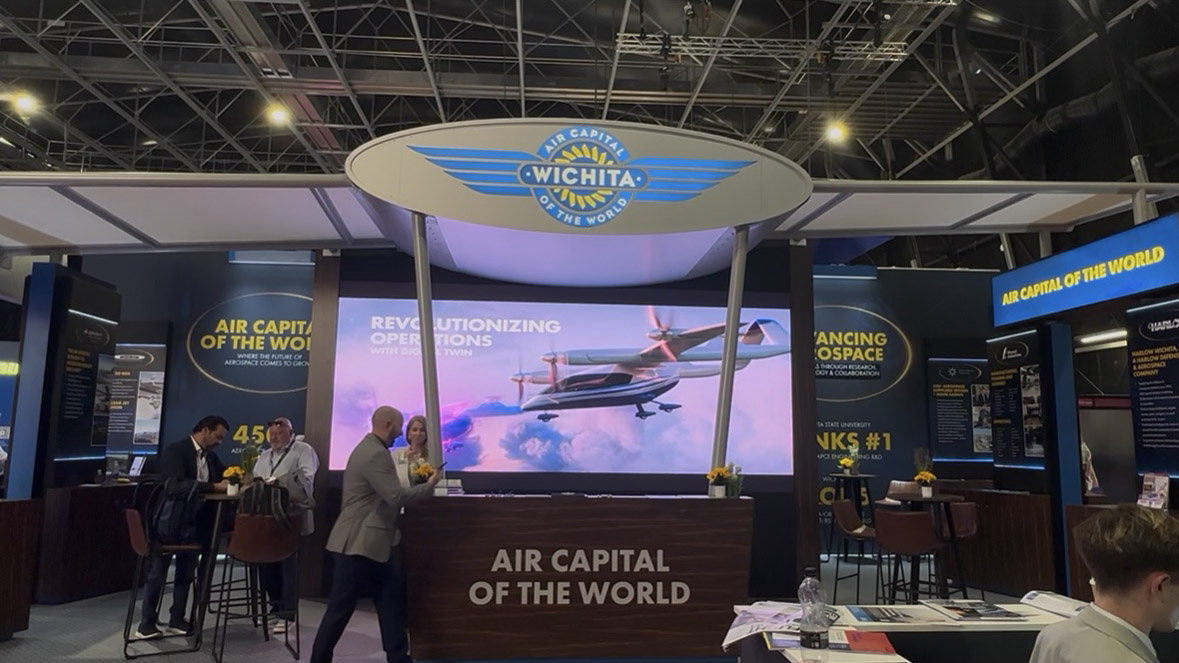
Why Digital Experiences Matter More Than Ever in 2027
Turn Complexity into Clarity
Across manufacturing, aerospace, defence, energy and transportation, organisations are investing in a new generation of technologies. AI, autonomous systems, digital twins, connected ecosystems and increasingly data-driven operations are changing how businesses operate, evaluate technology and invest in innovation.
For exhibitors, that creates a very practical challenge: as technology becomes more complex, the experience has to become clearer.
It is no longer enough to simply put an innovative product in front of an audience and expect the technology to speak for itself. Visitors increasingly need to see how technologies work together, where they fit within wider ecosystems and, most importantly, what value they can deliver in practice.
At the same time, that story needs to work for very different people.
Decision-makers want to see the business value. Engineers and technical teams need credibility and detail. Sales, marketing and business development teams are looking for stronger engagement and opportunities to build meaningful customer relationships.
Everyone may be looking at the same technology, but they are not necessarily looking for the same thing.
That is why we believe generating greater value from events starts before deciding what goes on the screen, stand or exhibition floor. It starts by asking a much simpler question: what does our audience need to understand?
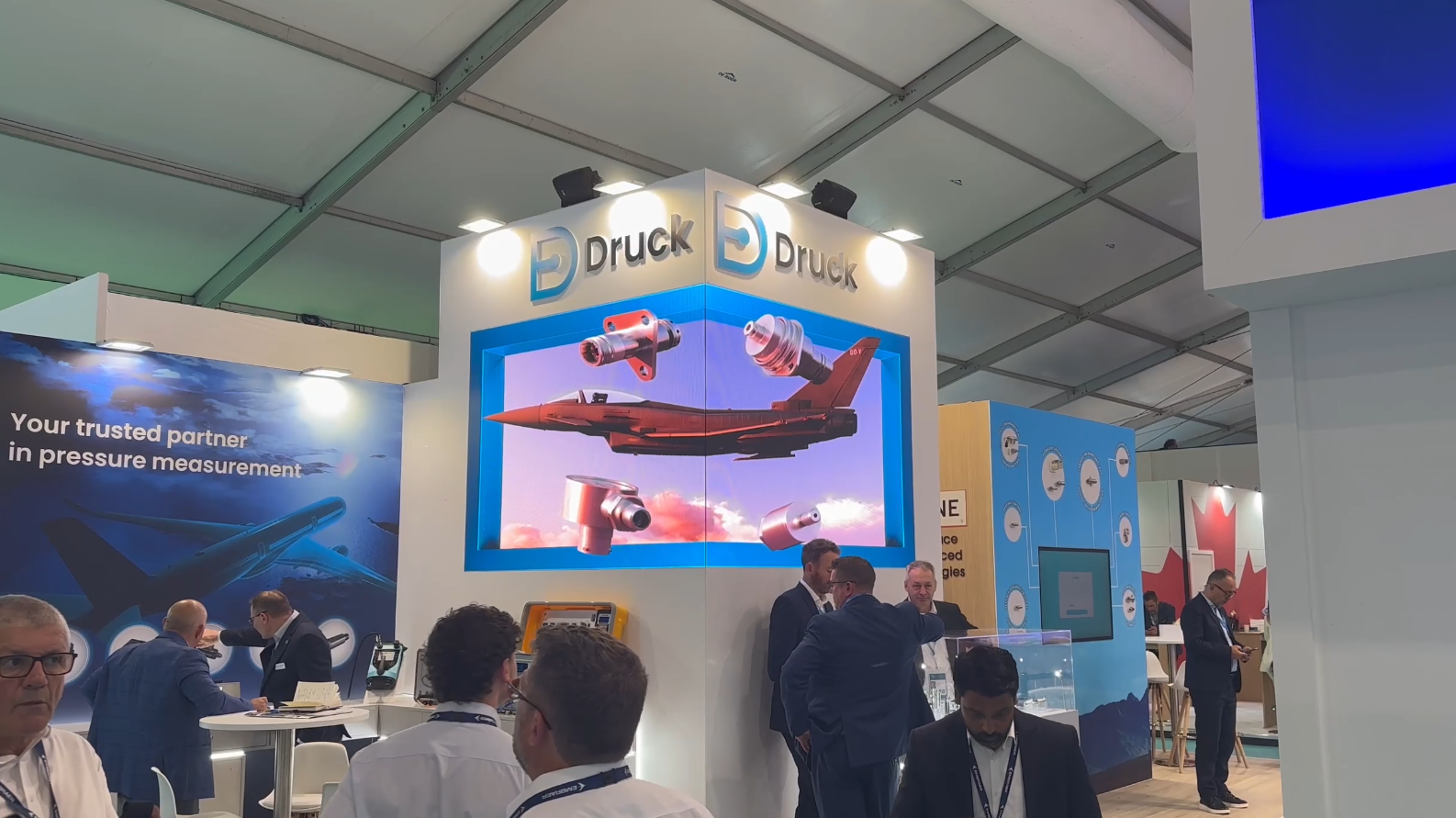
Turning Attention into Understanding
Events have always competed for attention. But attracting someone to a stand is only the beginning.
For organisations showcasing highly technical products or services, the greater challenge is reducing the distance between seeing something and understanding why it matters.
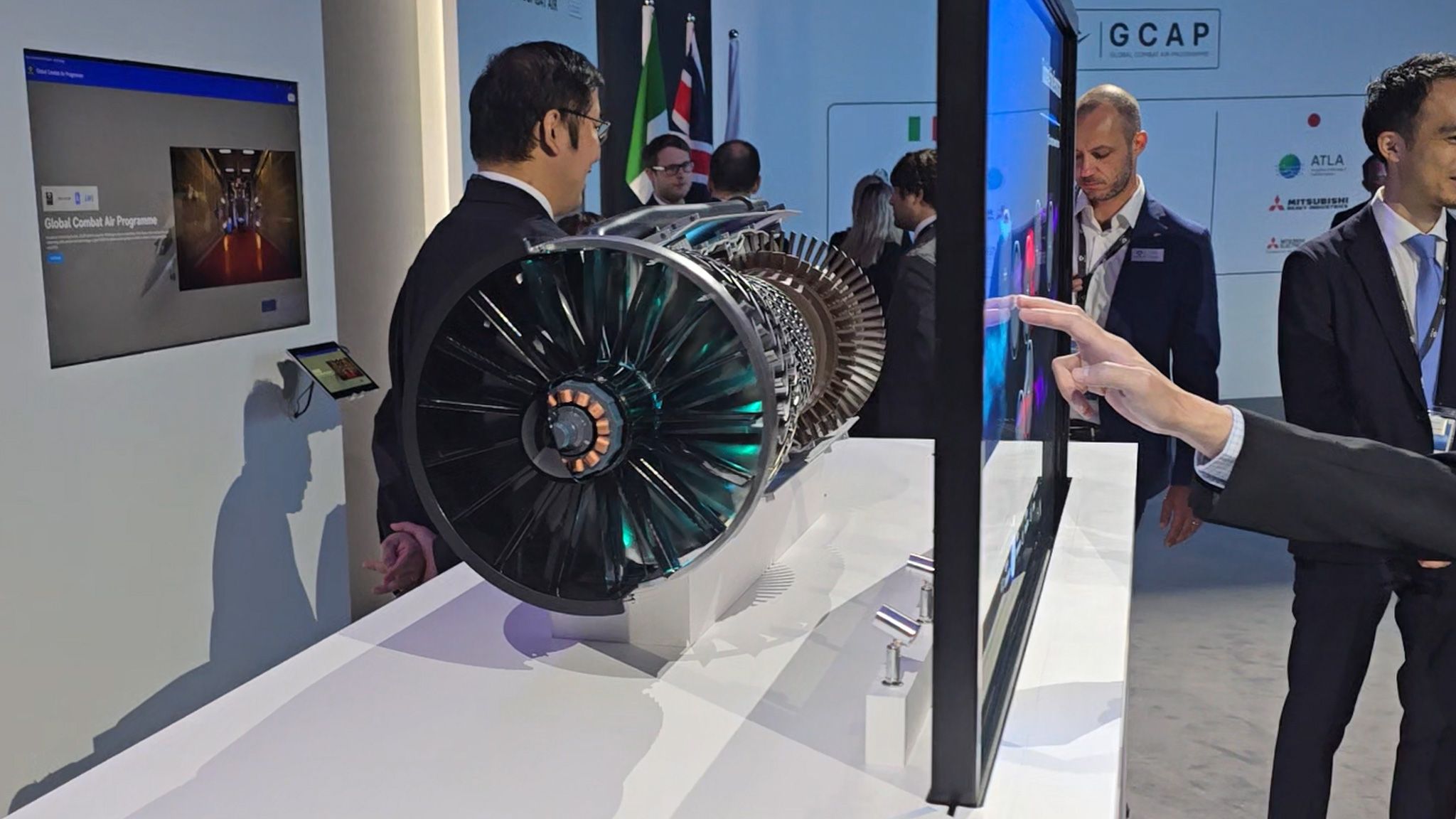
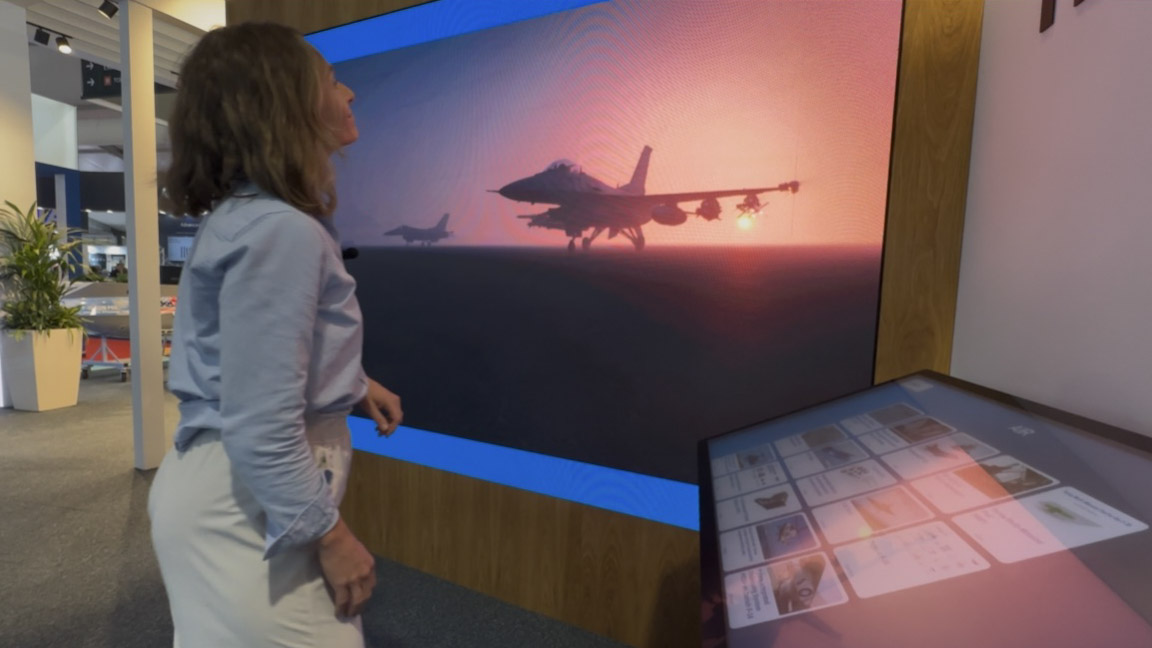
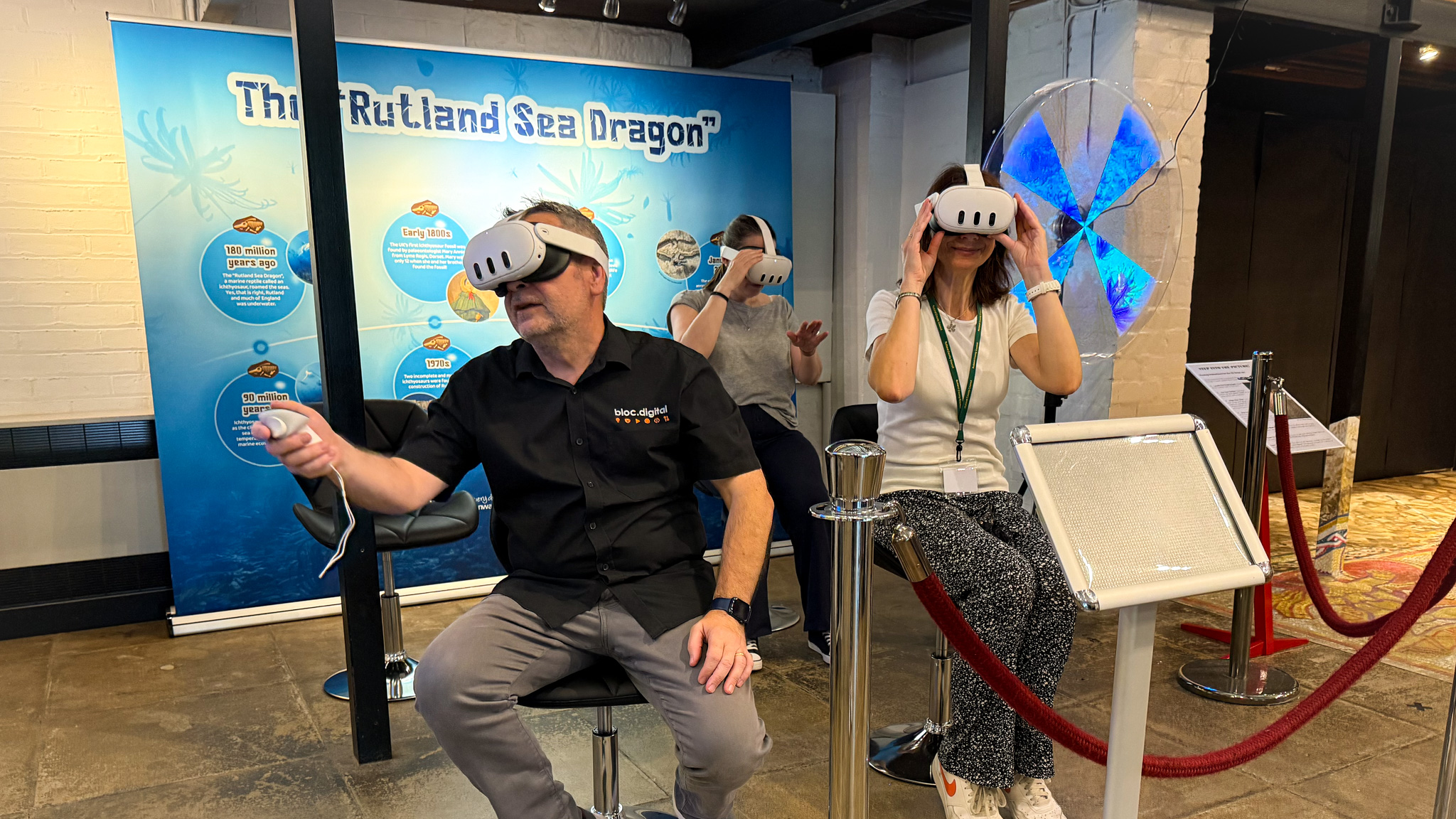
Animation can visualise something that cannot easily be seen. Digital twins can provide a way to explore complex environments and systems. Interactive experiences can allow visitors to navigate information based on their own interests, while immersive applications can place technologies into meaningful contexts.
These are all solutions we use to help make complex technologies clearer, more accessible and easier to engage with.
The technology behind an experience, however, should never be the starting point.
Rather than asking, “What should we put on the screen?”, we believe organisations should ask, “What should someone understand after interacting with it?”
That distinction matters. The most effective digital experience is not necessarily the biggest screen, the newest technology or the most visually impressive asset. It is the one that communicates the right idea clearly to the right audience.
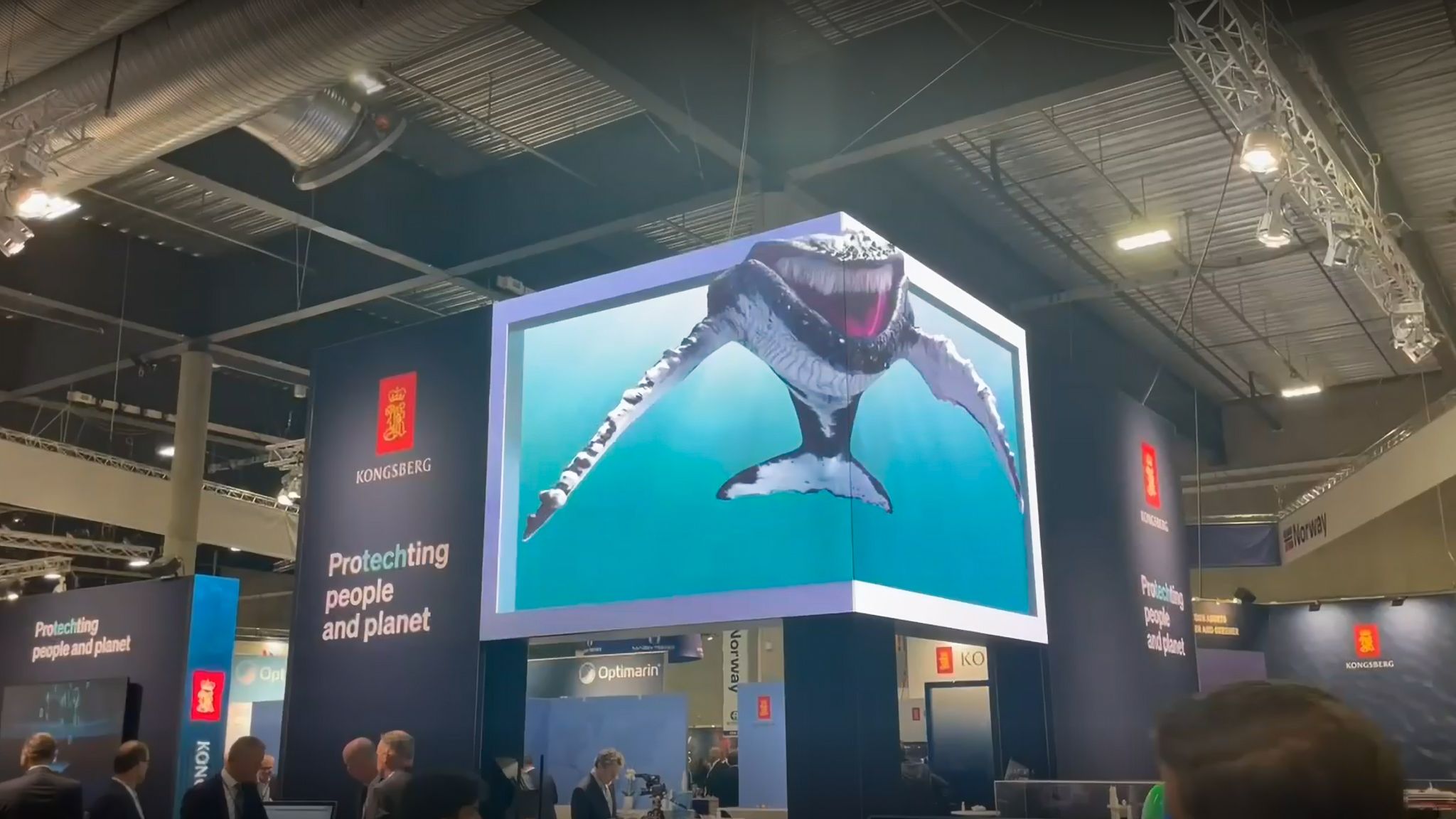
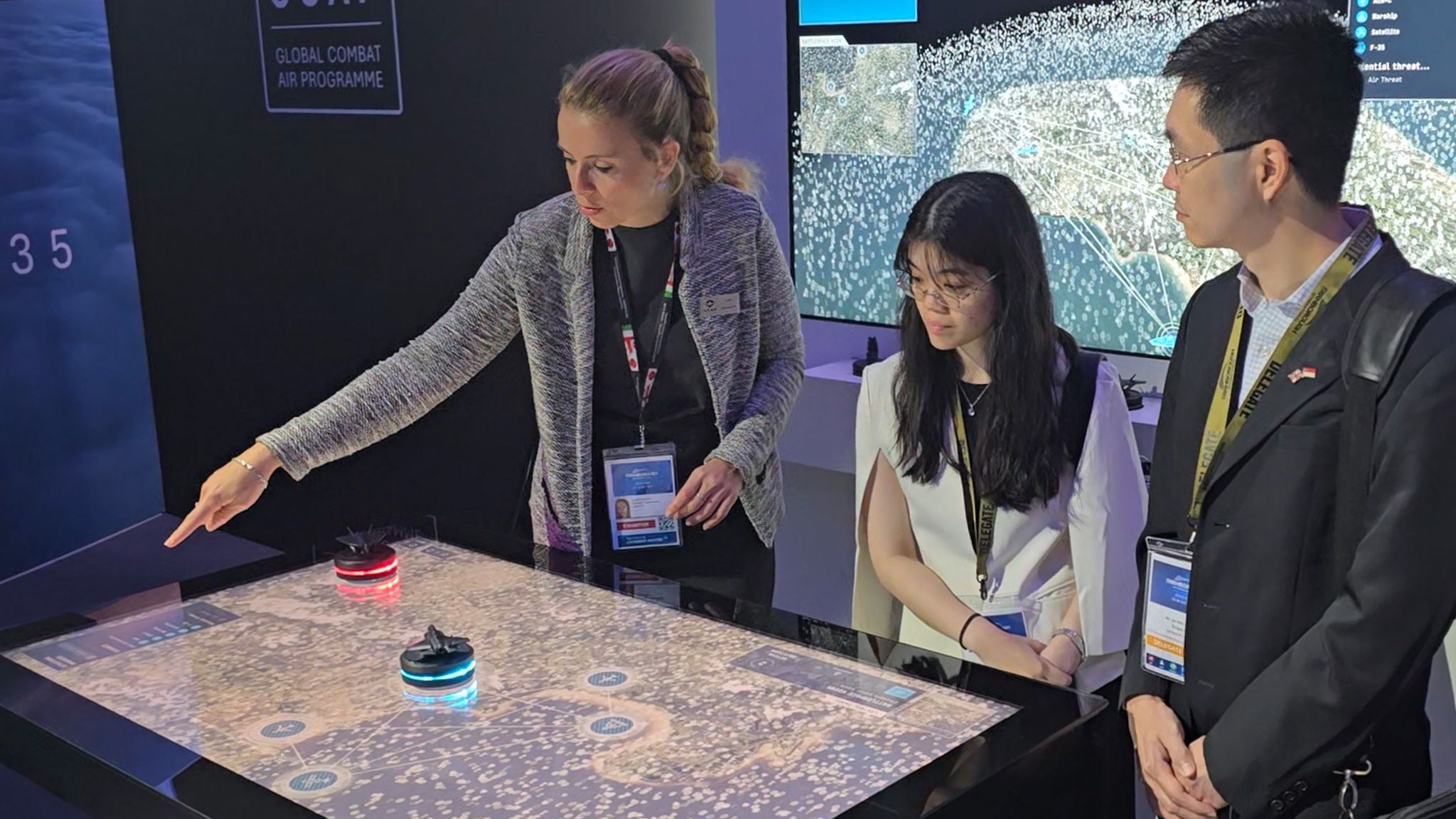
Designing for Conversations, Not Just Attention
That understanding should lead somewhere.
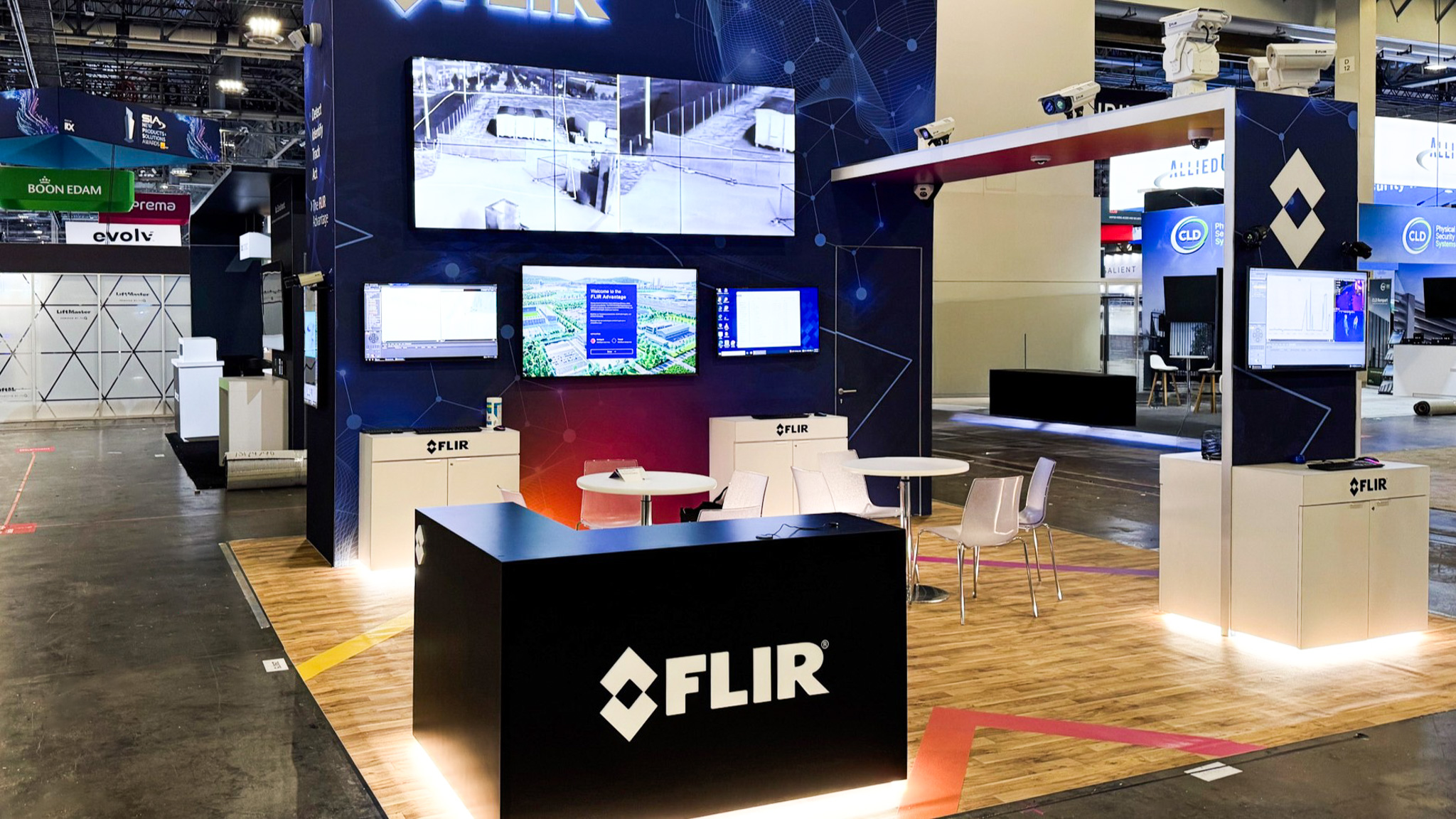
An event experience should not simply attract someone to a stand. It should give commercial and technical teams something useful to demonstrate, explore and discuss.
We think about that journey in three stages: attract, explain and explore. First, give someone a reason to stop. Then, make the core idea or value clear. Finally, give interested visitors the opportunity to explore the technology, application or story in greater depth.
This layered approach is particularly valuable when the same product needs to communicate with different stakeholders. A senior decision-maker may want to grasp the commercial impact quickly, while an engineer may want to examine how the technology operates within a wider system.
Designing experiences around those different needs can turn digital content from something people simply watch into something that supports more valuable discussions between visitors and teams on the stand.
Making One Event Work Harder
The opportunity does not begin when the exhibition doors open, and it should not disappear when they close.
One of the biggest opportunities we see around events is building a connected customer journey before, during and beyond the show, extending the experience digitally and making individual events part of a much broader communications strategy.
Before an event, content can introduce the ideas, technologies and industry challenges audiences will encounter. During it, demonstrations and digital experiences can bring those stories to life. Afterwards, highlights, interviews, case studies and thought leadership can maintain momentum and extend the impact of an individual event across wider marketing activity.
That changes the question from “What are we doing at the event?” to “How much value can we create around it?”
It also means organisations should consider the lifespan of their digital assets before commissioning them. An experience created for an exhibition could have a role long after the stand has been packed away, whether supporting future sales conversations, providing content across digital channels or contributing to wider campaigns.
Thinking this way turns an event from a date in the diary into a broader opportunity to create lasting value.
Looking Beyond Footfall
The same thinking should apply to how event success is evaluated.
A busy stand can be encouraging, but footfall alone does not tell us whether the experience worked. We believe the next step is understanding what audiences interact with, what captures their interest and how those interactions can inform future communications and follow-up.
This is where blocEngage can play a role. Our interactive sales and marketing experience enables organisations to showcase their products, services and innovations through content relevant to their audience. By matching customer personas with personalised, interactive experiences, blocEngage can help create more relevant experiences across exhibitions, pitches and wider sales and marketing activity.
Rather than simply asking how many people visited, organisations can start asking more meaningful questions. What did visitors engage with? Which parts of the story generated most interest? Did the experience communicate what we wanted it to? And what can we take from those interactions into the next stage of the customer journey?
It is a shift from simply measuring presence towards understanding the quality and relevance of engagement.
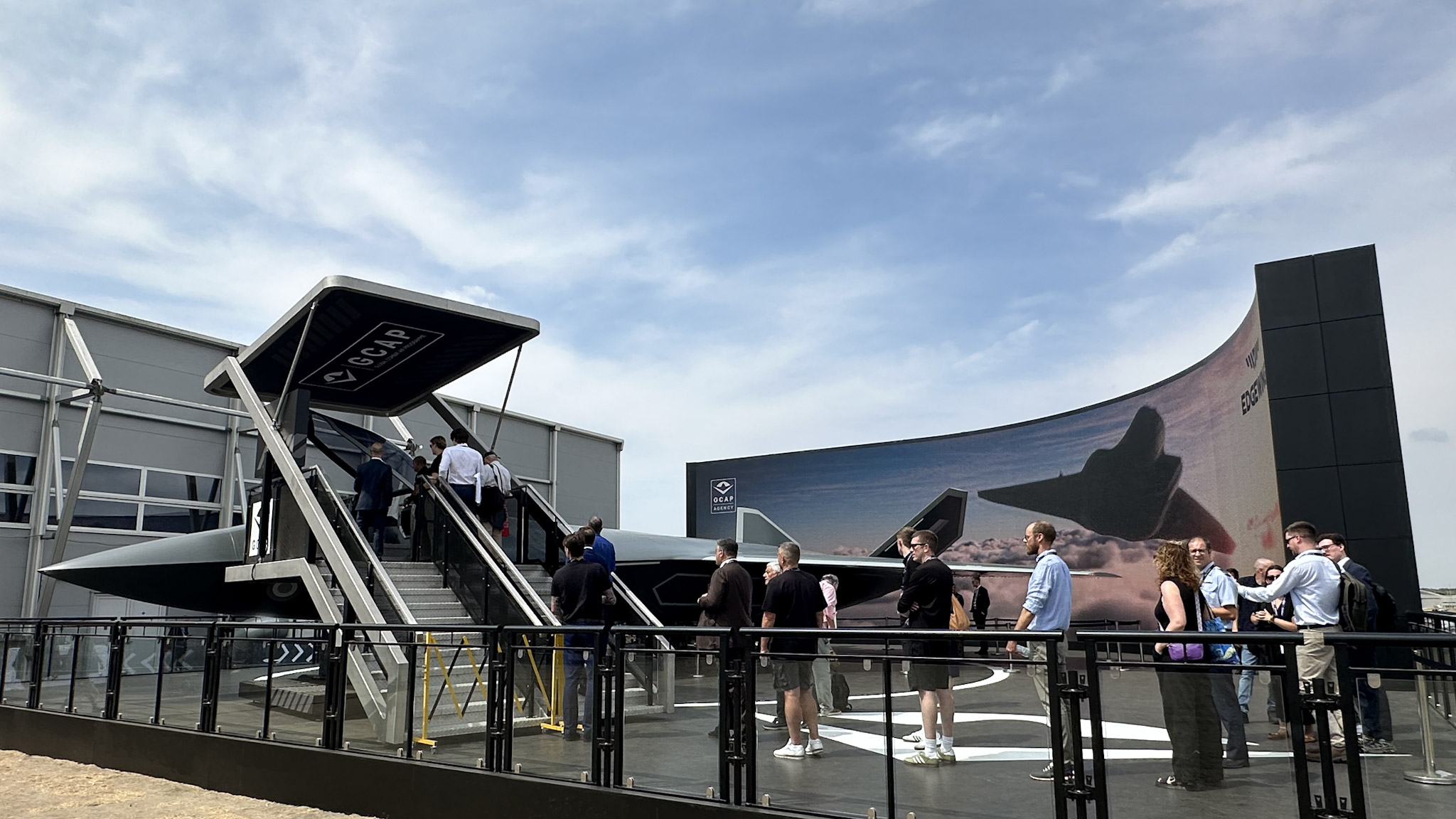
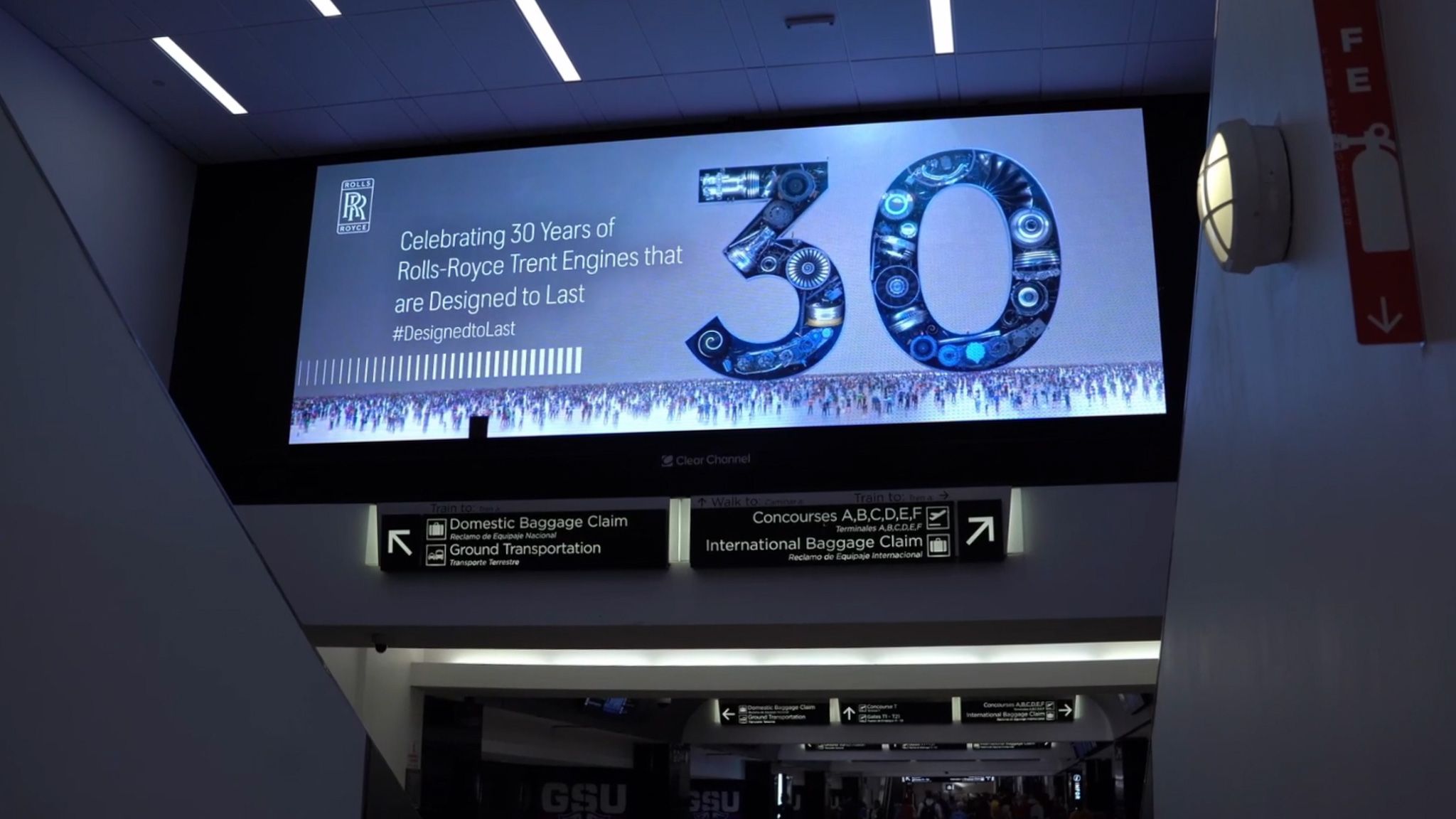
Two Decades of Industrial Collaboration
Our Blocees bring together design, modelling, media, immersive, software and data to turn complex technologies into experiences audiences can engage with and make sense of.
Across the 2027 events season, we will be putting that thinking into practice through the experiences and digital solutions we create for our clients.
From interactive product experiences and immersive visualisation to animation, digital twins, experiential applications, connected data experiences and engagement platforms, the technology may change from project to project, but the principle behind it remains the same: how can we communicate the value of complex technology more clearly and effectively?
Ultimately, the future of events isn't about adding more technology to the stand. It's about using technology more intelligently to make complex ideas easier to understand, explore and remember.
We believe organisations should be thinking about what their audience really needs to understand, who they are trying to engage, which experience will communicate their message most effectively and, crucially, how that experience can deliver longer-term value.